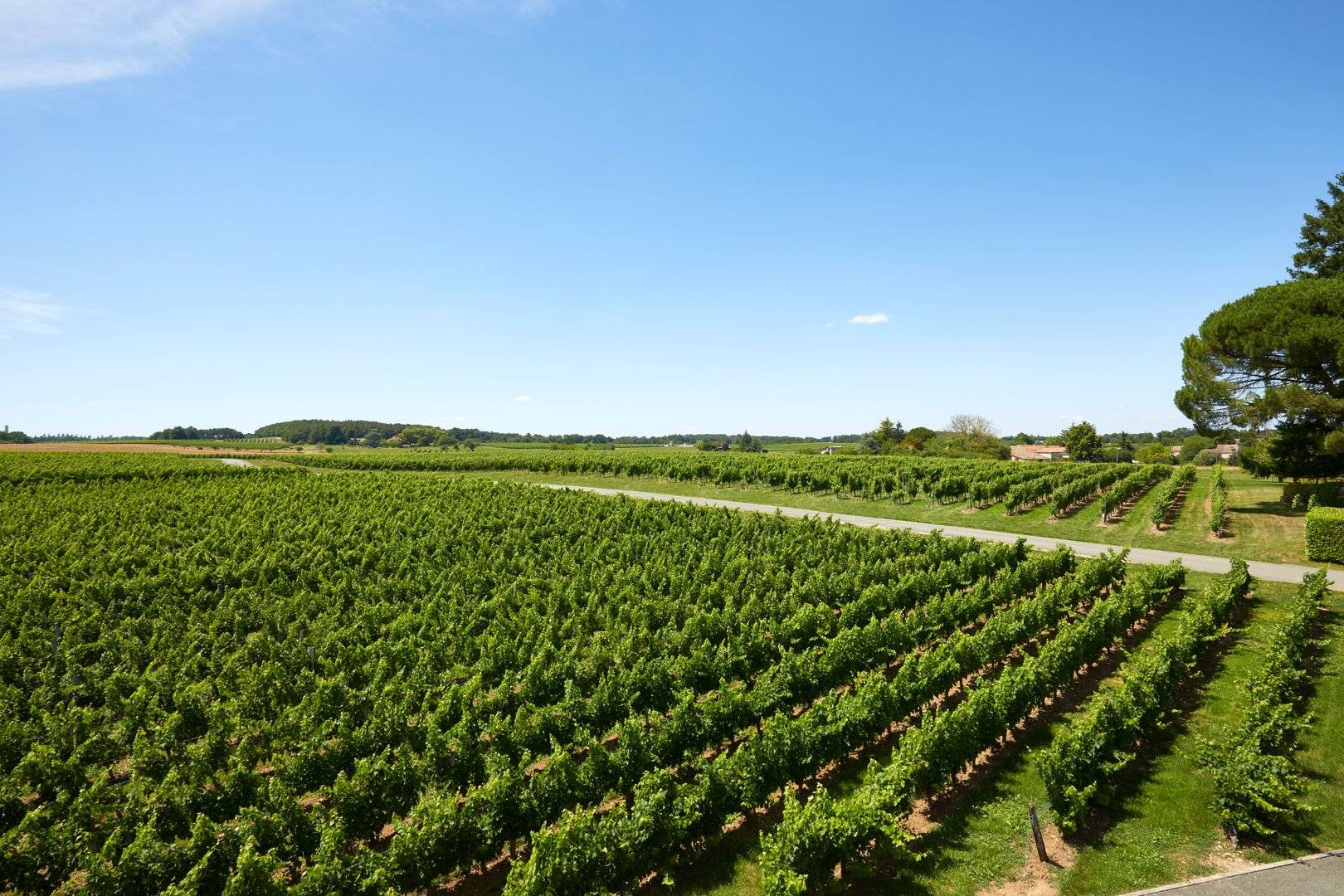
Maison Wessman Wines in Bergerac: Revealing the Unique Terroir of Issigeac
Since its first vintage in 2016, Maison Wessman has firmly established itself in the French wine landscape, becoming a symbol of creativity and excellence. Nestled on the Issigeac plateau in the heart of the prestigious Périgord Pourpre terroir, the winery draws inspiration from the region's millennia-old heritage while also exploring rich, often underestimated terroirs. The Château de Saint-Cernin, our historic property and medieval landmark, embodies the fusion of tradition and modernity—a place for viticultural exchange, tastings, and the creation of bold and exceptional wines.
The acquisition of the Verdots Vineyard in 2021 further strengthened Maison Wessman’s presence in the region, increasing the estate’s total vineyard area to nearly 60 hectares and enabling it to fully express the richness of Périgord's terroir.
Under the leadership of Lise Sadirac, an agronomist and viticultural director with over 20 vintages across various appellations, and with the support of a passionate team, Maison Wessman also benefits from the expertise of renowned specialists such as Michel Rolland, Julien Viaud, and Andreas Larsson, Best Sommelier of the World. Together, they craft exceptional wines from this underappreciated terroir and create daring blends.
1. Issigeac: A Unique Terroir in the Heart of Périgord Pourpre
The Issigeac plateau in the Périgord region is a historic winemaking area where viticulture dates back more than 2,000 years. Rising 150 meters above sea level and 120 meters above Bergerac, this terroir is distinguished by its remarkable geological and climatic characteristics, making it an exceptional site for producing high-quality wines.
A Geological Layer Cake (Millefeuille)
The Issigeac plateau consists of alternating layers of limestone and clay, endowing the soils with unique properties. This structure ensures effective natural drainage, preventing waterlogging while retaining deep water reserves essential for the vines during drought periods. This terroir naturally limits yields and promotes exceptional aromatic concentration in the grapes, ensuring wines of great character.
A Climate of Dual Influence
Issigeac benefits from a climate shaped by two distinct influences: oceanic softness, bringing freshness and humidity, and continental characteristics enhanced by its altitude. These climatic conditions allow for slow, even ripening of the grapes, preserving their natural acidity and aromatic richness. This unique combination of geology and climate gives Issigeac’s terroir unparalleled potential for crafting balanced and complex wines.
2. Saint-Cernin: The Excellence of a Great Wine
This is where the story of Maison Wessman began, with Robert Wessman’s acquisition of Château de Saint-Cernin in the early 2000s. The medieval 12th-century château underwent a full restoration, and the first vineyards were planted, leading to the release of its inaugural vintage in 2016.
Situated on one of the highest points of the Issigeac plateau, the Saint-Cernin vineyard spans approximately 10 hectares and is renowned for its ability to produce exceptional wines. It is rooted in a rare and demanding terroir, elevated by precise viticultural and winemaking practices.
A Rare and Demanding Terroir
The Saint-Cernin soil is defined by a pure, dense, and minimally fissured limestone slab covered by a very thin topsoil layer of 20 to 50 centimeters. This unique composition forces the vines to develop deep root systems, naturally limiting yields and concentrating the grapes’ flavors. The compact limestone provides excellent drainage, while deep water reserves help the vines withstand summer droughts.
Ideal Climate and Exposure
At an altitude higher than other Bergerac estates, the vineyard enjoys optimal sun exposure, ensuring perfect ripening. Cool summer nights play a crucial role in preserving the grapes' acidity, balancing the richness of flavors developed under the warm daytime sun. These conditions give Saint-Cernin wines their vertical structure and finesse.
Precision and Sustainable Practices
Every step of vineyard management reflects a commitment to excellence. Grape thinning limits yield per vine, ensuring even ripening, while manual leaf removal exposes the berries to light, enhancing their aromatic concentration. Hand harvesting is reserved for the estate’s top cuvées, with rigorous double sorting before and after destemming to ensure only the finest, healthiest grapes are vinified. The vineyard is HVE4 certified.
In the cellar, winemaking is overseen by Julien Viaud of Rolland & Associates. Fermentation occurs in stainless steel tanks with strict temperature control to preserve the wines’ aromatic purity and structure. The wines are aged for 18 months in carefully selected French oak barrels, with fine-grained wood and light toasting that subtly enhances the natural aromas without overwhelming them.
Unique and Refined Wines
Numéro 1 Saint-Cernin: A blend of Merlot and Cabernet Sauvignon harvested by hand and aged 18 months in 100% new French oak barrels with neutral toasting. This wine reveals intense aromas of black cherry, truffle, and spices, offering elegance and depth with a long aging potential. Production is limited to 6,000 bottles only in the best vintages.
Saint-Cernin Rouge: A blend of Merlot and Cabernet Sauvignon with bold flavors of cassis, violet, black pepper, and clove. Aged for 10 months in French oak barrels (50% new), it is structured, elegant, and fresh.
Saint-Cernin La Folie: A limited-edition cuvée blending the finest grapes from Issigeac, Provence, and Rioja. Created with input from Andreas Larsson and Julien Viaud, it features Syrah, Merlot, Tempranillo, and Cabernet Franc. This wine combines Bergerac’s freshness with Provence’s richness and Rioja’s spiced character. Only 4,800 bottles were produced.
3. Verdots: The Synergy of Tradition and Modernity
Acquired in 2021, the Verdots vineyard in Conne-de-Labarde is an iconic estate in Bergerac. Known for its diverse terroirs and excellent wines, it blends respect for tradition with technical innovation.
Exceptional Geological Diversity
Situated lower than Saint-Cernin on Issigeac’s "millefeuille," the vineyard boasts varied soils of clay, limestone, and flint, enabling nuanced expression of cultivated grape varieties. Whites are fresh and mineral, while reds, grown on gravelly clay-limestone soils, are dense and complex.
Innovative Practices and Sustainability
From inter-row grassing to agroforestry initiatives, Maison Wessman prioritizes sustainability. Certified HVE3, the estate actively reduces its carbon footprint, aiming for carbon neutrality by 2030.