The Chateau de Saint-Cernin Vineyard
An Extremely Demanding Terroir
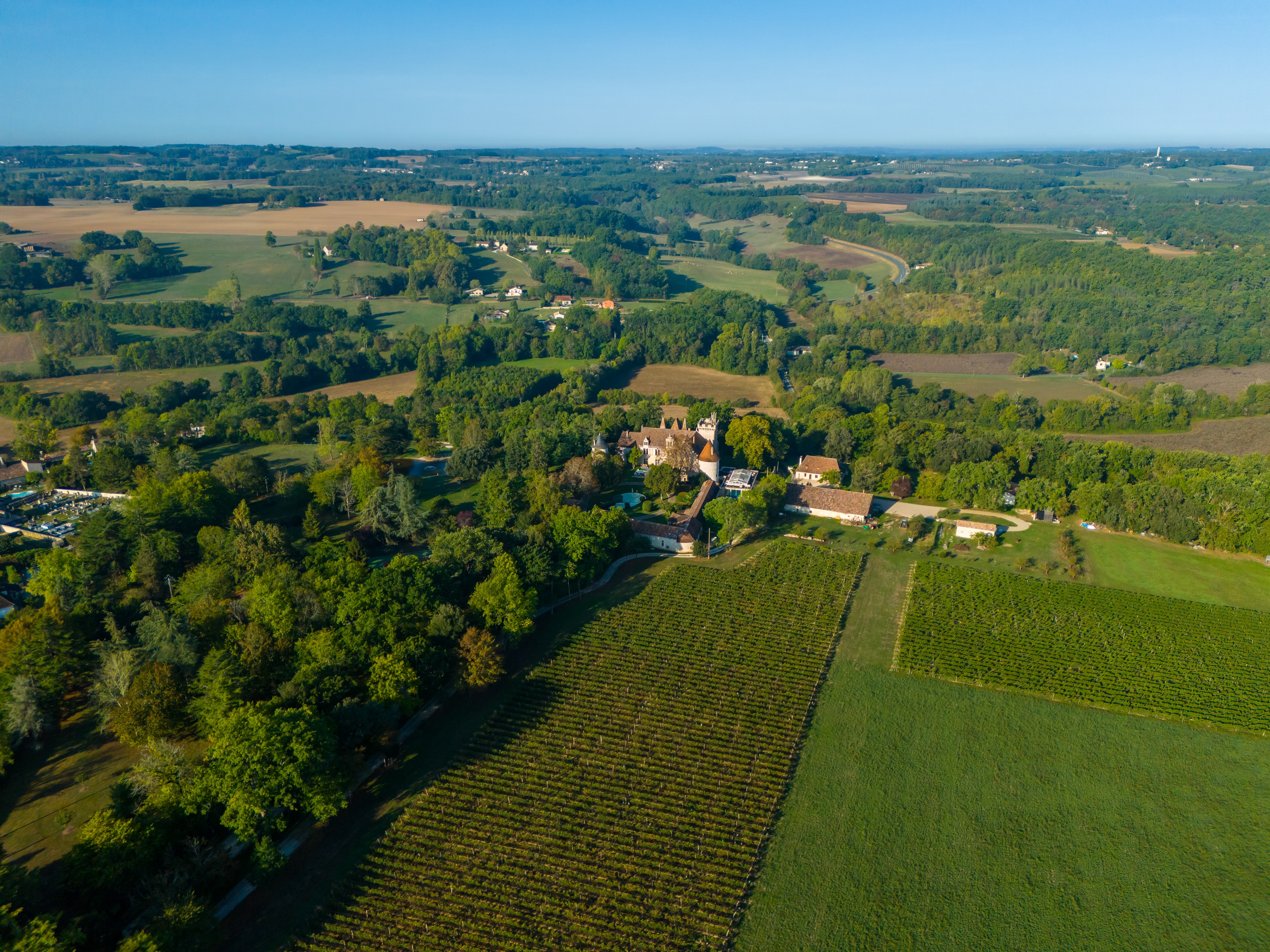
The soil surrounding Saint-Cernin is defined by a pure, dense, and minimally fissured limestone slab covered by a very thin topsoil layer of 20 to 50 centimeters. This unique composition forces the vines to develop deep root systems, naturally limiting yields and concentrating the grapes’ flavors. The compact limestone provides excellent drainage, while deep water reserves help the vines withstand summer droughts.
Ideal Climate and Exposure
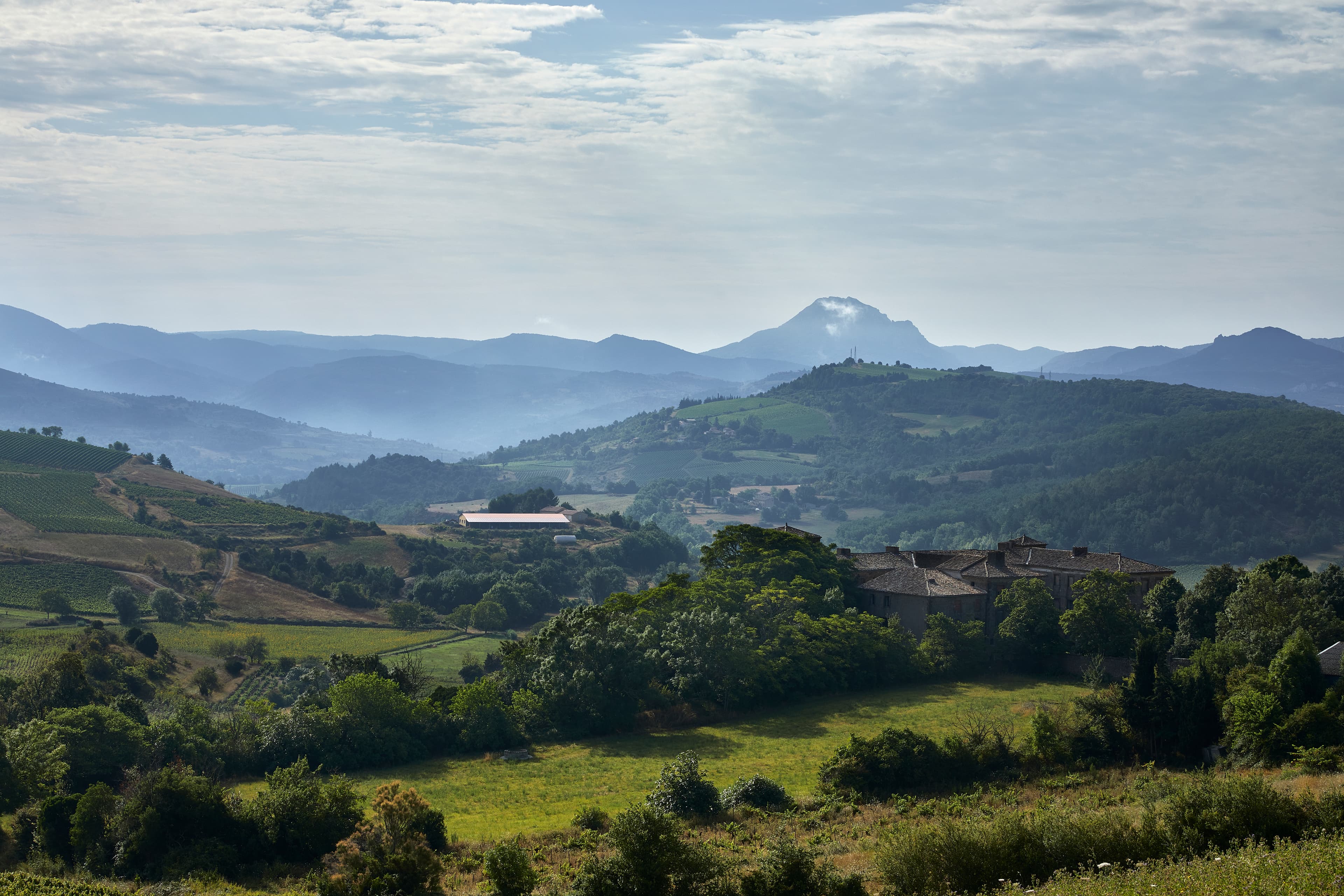
At an altitude higher than other Bergerac estates, the vineyard enjoys optimal sun exposure, ensuring perfect ripening. Cool summer nights play a crucial role in preserving the grapes' acidity, balancing the richness of flavors developed under the warm daytime sun. These conditions give Saint-Cernin wines their vertical structure and finesse.
Precision and Sustainable Practices
Every step of the vineyard reflects a pure commitment to excellence. Grape thinning limits yield per vine, ensuring even ripening, while manual leaf removal exposes the berries to light, enhancing their aromatic concentration. Hand harvesting for the estate’s top cuvées, with rigorous double sorting before and after destemming to ensure only the finest, healthiest grapes are vinified. The vineyard is HVE4 certified.
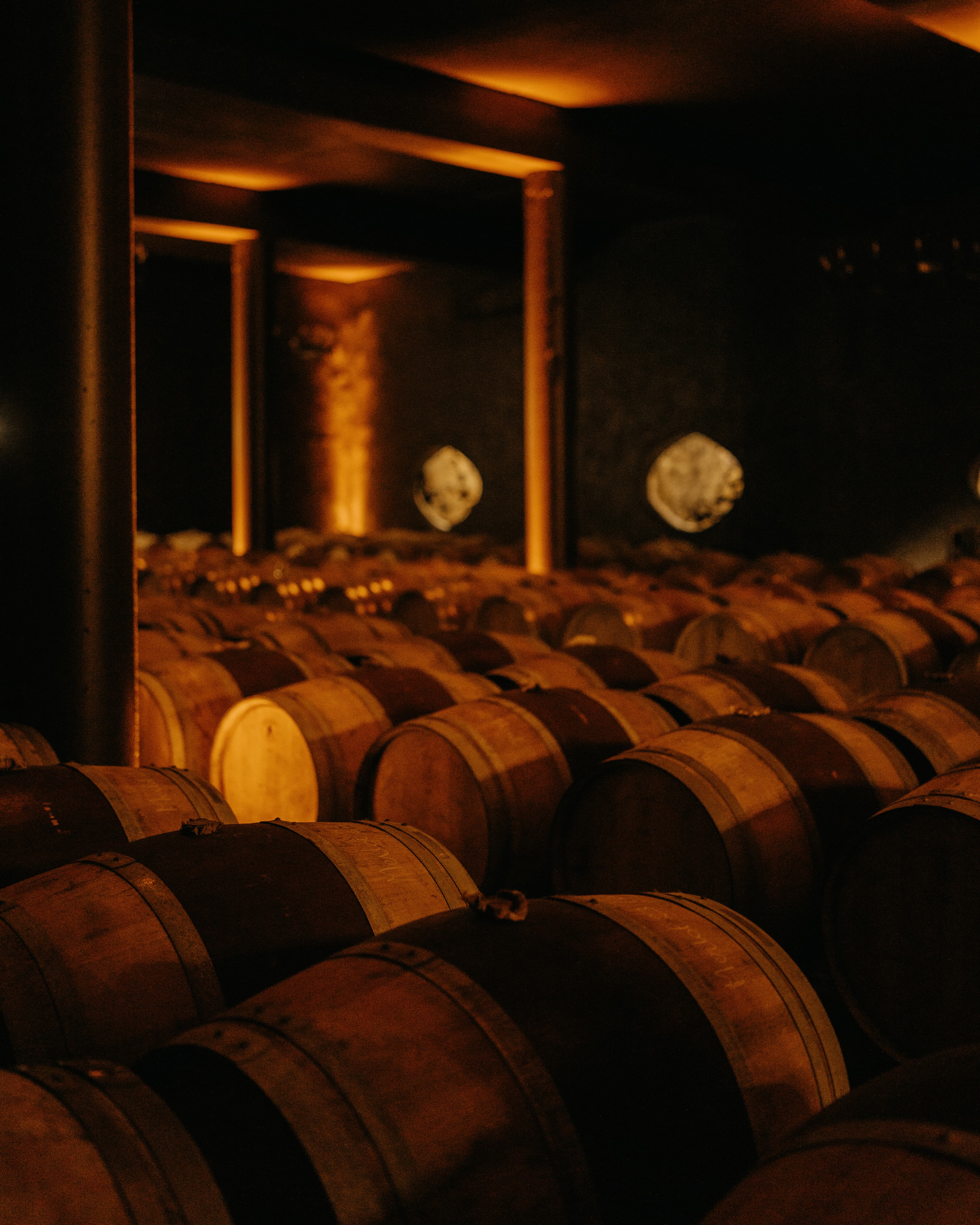
In the cellar, winemaking is overseen by Julien Viaud of Rolland & Associates. Fermentation occurs in stainless steel tanks with strict temperature control to preserve the wines’ aromatic purity and structure. The wines are aged for 18 months in carefully selected French oak barrels, with fine-grained wood and light toasting that subtly enhances the natural aromas without overwhelming them.
Discover La Folie blending story
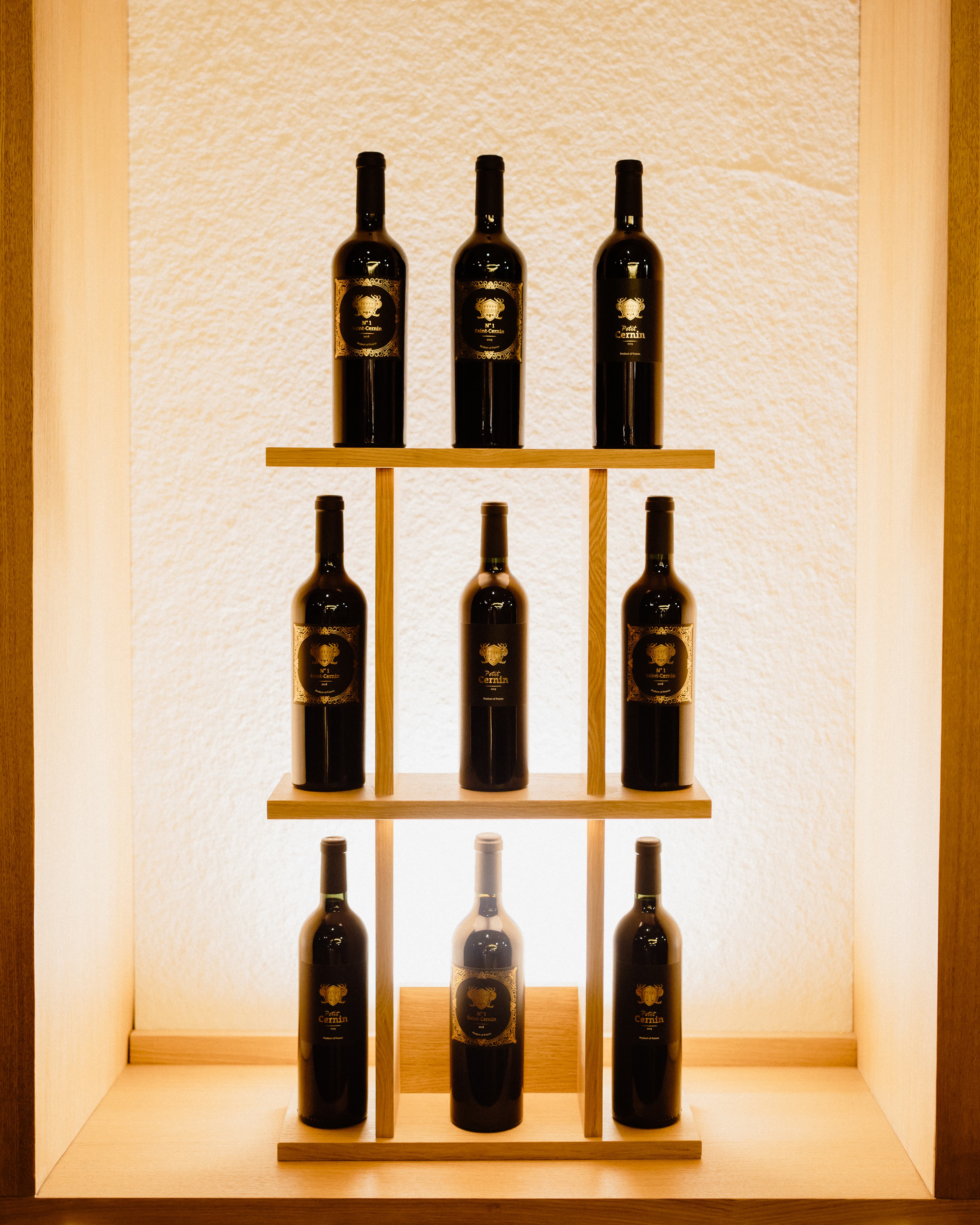
Taste the wines of Saint-Cernin

N°1 Saint-Cernin Rouge is an ultra-premium wine produced in small quantities on the distinctive terroir of the Plateau d’Issigeac.